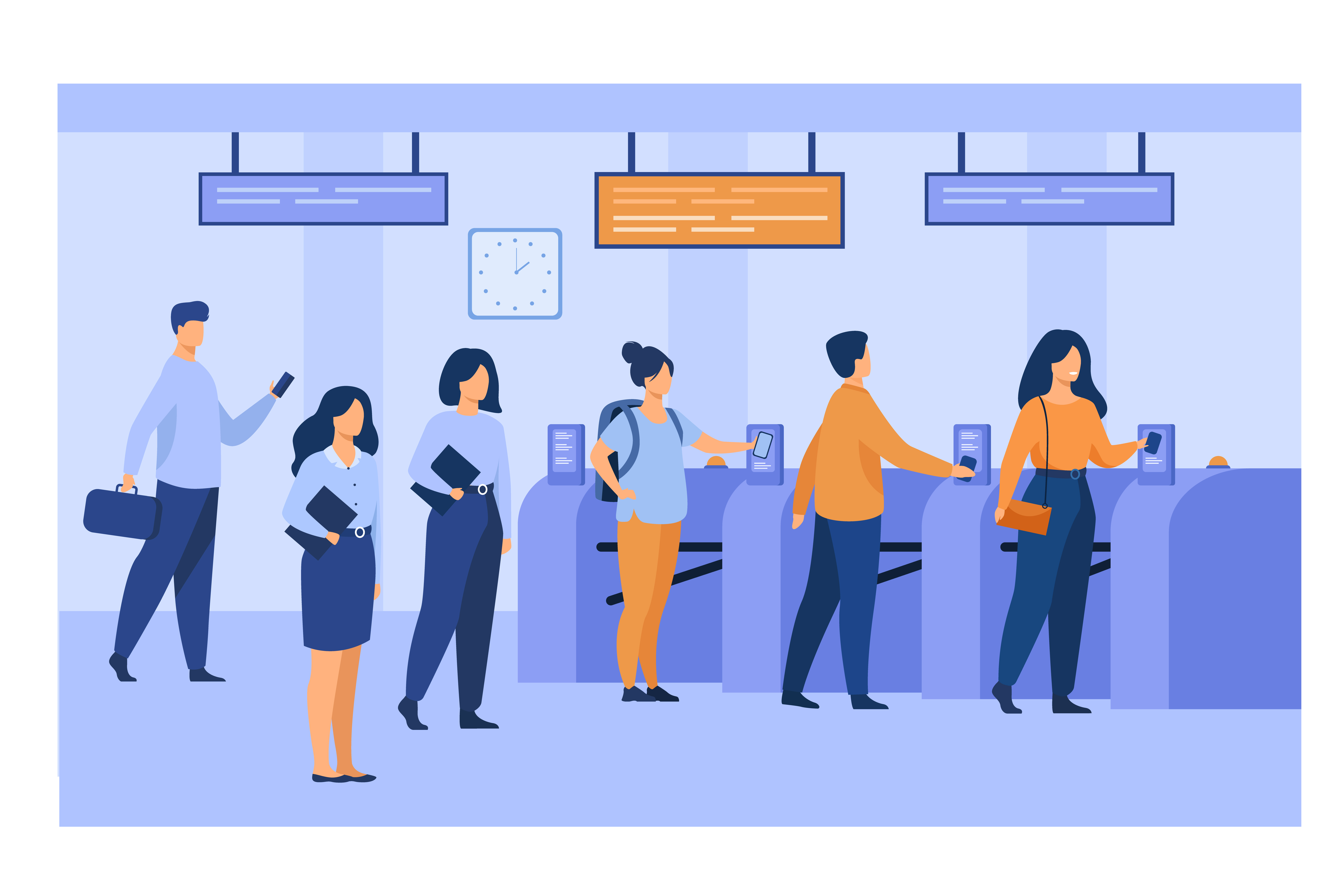
A queue management kiosk can significantly reduce waiting-room stress in hospitals and banks. By streamlining the queueing process, these kiosks help manage customer flow and enhance overall satisfaction.
With the increasing demand for efficient service, implementing a queue management system is a strategic move for healthcare facilities and financial institutions alike.
Enhancing Patient Flow in Healthcare Facilities
Healthcare facilities often face challenges related to patient flow, especially during peak hours. A queue management kiosk significantly improves the speed of patient check-ins, allowing patients to enter their information and receive their queue numbers quickly. This efficiency reduces bottlenecks that typically occur when multiple patients arrive simultaneously, ensuring a smoother experience.
By streamlining the check-in process, staff can focus more on patient care rather than administrative tasks. This shift not only enhances the quality of care but also leads to increased staff satisfaction as they can devote their time to what truly matters. Furthermore, kiosks provide real-time updates to patients regarding their wait times, alleviating anxiety and uncertainty.
Many hospitals have successfully integrated kiosks into their operations, demonstrating a marked improvement in patient flow management. These systems not only enhance the patient experience but also optimize the overall functionality of healthcare facilities.
Improving Customer Experience in Banks
In the banking sector, customer experience is paramount. Queue management kiosks play a crucial role in minimizing waiting times, which directly correlates with higher customer satisfaction. By allowing customers to select the services they require and receive tokens, kiosks enable a more organized flow of customers within the branch.
These kiosks enhance branch management by providing real-time status updates on queue lengths and wait times, allowing branch managers to allocate resources more effectively. This visibility helps in managing customer expectations and improving service delivery.
Additionally, kiosks support appointment scheduling, enabling customers to book personalized services ahead of time. This not only optimizes the customer experience but also helps banks manage high-demand periods. Several banks have successfully implemented these kiosks, showcasing their effectiveness in streamlining service delivery and enhancing overall customer satisfaction.
The Role of Technology in Queue Management
The role of technology in queue management has transformed how organizations handle customer flow. Queue management kiosks utilize advanced software to track and manage queues efficiently, minimizing bottlenecks and wait times. This technology can adapt to varying customer volumes, ensuring that service remains swift and organized.
Integration with existing systems is essential for seamless operation. Queue management kiosks can connect with appointment scheduling systems, customer relationship management tools, and other operational software. This integration allows for real-time updates and improved communication between different departments within a healthcare facility or bank.
Analytics plays a crucial role in enhancing queue management. By providing data on peak times and customer behavior, organizations can allocate resources more effectively. This data-driven approach aids in staffing decisions and operational strategies, ensuring that both patients and customers receive timely service.
Moreover, enhanced communication between staff and customers is facilitated through these kiosks. Notifications and updates can be shared directly, reducing uncertainty and improving the overall experience. For example, data analytics can reveal peak times, allowing organizations to prepare adequately and minimize waiting room stress for all involved.
Benefits for Staff and Operations
The implementation of queue management kiosks brings significant benefits not only to customers but also to staff and overall operations. One of the most notable advantages is the reduction in workload for front-desk staff. By automating the check-in process and managing customer flow, staff can focus on more critical tasks that require human interaction, such as providing personalized assistance.
This technology facilitates better use of human resources. Staff members can be allocated to areas where they are needed most, ensuring that all customer needs are met promptly. Additionally, the ability to monitor and manage kiosks remotely allows for swift adjustments to be made without requiring constant physical oversight.
Improved staff morale is another outcome of implementing queue management kiosks. With a reduced burden of managing lines and wait times, employees can concentrate on value-added tasks, enhancing their job satisfaction. For instance, hospitals that have integrated kiosks often report improved staff satisfaction as employees can engage more meaningfully with patients rather than being bogged down by administrative duties.
Overall, these kiosks streamline operations and enhance the working environment, leading to a more efficient service delivery model that benefits both staff and customers.
Why a Queue Management Kiosk is Essential
A queue management kiosk addresses the common challenge of long wait times, which can significantly impact both patient satisfaction in healthcare facilities and customer experience in banks. By streamlining the check-in process, these kiosks minimize delays and help manage the flow of individuals more effectively. This is particularly important in environments where high traffic is the norm, such as hospitals and financial institutions.
Enhancing operational efficiency is another critical function of queue management kiosks. They allow staff to focus on providing quality service rather than managing queues, thereby improving overall productivity. In high-traffic environments, reducing bottlenecks becomes essential, and kiosks can facilitate smoother transitions from waiting to service.
Moreover, queue management kiosks support customer engagement through self-service options. Customers can check in, update their information, and even receive notifications about their status, which fosters a sense of control and satisfaction. This level of engagement is vital in improving overall service delivery and patient outcomes.
Case studies have shown that implementing queue management kiosks can lead to reduced wait times significantly, ultimately enhancing the experience for both patients and customers. These examples highlight the effectiveness of kiosks in transforming the way services are delivered in busy environments.
How AtashiTech helps
AtashiTech offers a robust Queue Management & Token Generation Kiosk Software that eliminates physical queues by allowing customers to self-select their service and receive a token via print or SMS. This software integrates real-time queue status displays, enabling customers to track their place in line effectively.
Additionally, AtashiTech’s solution features multi-service and multi-counter routing, priority queuing for VIPs, and appointment-based slot booking, all designed to optimize the waiting experience. The inclusion of a staff dashboard and counter management capabilities further enhances operational efficiency.
Conclusion
In conclusion, a queue management kiosk is a vital tool for reducing waiting-room stress and improving service delivery in both hospitals and banks. By embracing this technology, organizations can enhance customer satisfaction and streamline their operations.
Planning a kiosk project? Talk to AtashiTech about your requirements — every engagement is scoped and quoted individually.
Frequently asked questions
Related solutions

More from the blog
Key Kiosk Software Cost Factors You Should Know
Discover the primary factors that influence the cost of custom kiosk software, and gain insights to enhance your project budget planning.
Android iOS Apps for Your Business Requirements
Learn how Android iOS apps can be tailored to fit your business needs, regardless of size. From native development to integration, explore your options.
Revamping Legacy Kiosk Software for Modern Needs
Revamping your legacy kiosk software can significantly improve efficiency and user experience. Learn how to modernize your systems effectively.
Tell us the journey, the sites and the hardware you already have — every engagement is scoped and quoted individually.